
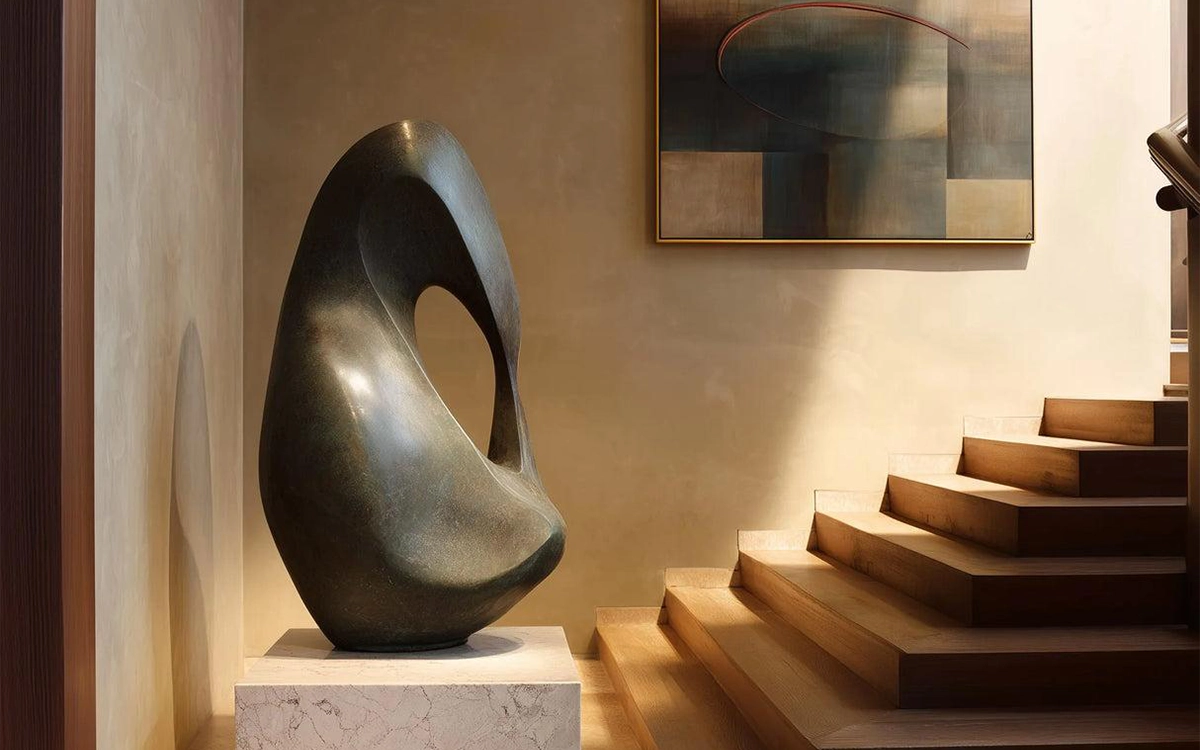

Collecting fine sculptures is an opportunity to explore the relationship between artistic expression, material excellence, and cultural history. Unlike many decorative objects, sculptures can be appreciated from multiple perspectives, revealing new details as the viewer moves around them.
For collectors, however, the appeal of a sculpture extends beyond its appearance. Understanding the factors that influence quality, authenticity, and market value is essential when considering a significant acquisition.
Understanding What Determines a Sculpture’s Value
The value of a sculpture is influenced by a combination of artistic, historical, material, and market-related factors.
The reputation of the artist can play an important role, particularly when the work belongs to a recognised period or an established body of work. Originality, artistic significance, rarity, and documented provenance may also affect collector interest.
Materials and craftsmanship contribute to the quality of the object. A finely carved marble sculpture or an expertly finished bronze cast may demonstrate substantial technical skill, although the material alone does not determine its market value.
Condition is equally important. Damage, restoration, missing components, and changes to the original finish may influence desirability and price.
No single characteristic guarantees value. A considered assessment takes the sculpture as a whole into account.
Original Works, Limited Editions, and Reproductions
Understanding the distinction between different types of sculpture is essential for informed collecting.
Original sculptures are works conceived and created by an artist, although the production process may involve assistants, workshops, or specialist foundries.
Limited-edition sculptures are produced in a defined number of authorised casts or examples. Edition size, casting quality, documentation, and the artist’s involvement can all influence collector interest.
Reproductions are copies or later versions of an existing design. Their value depends on factors such as their maker, quality, age, materials, and relationship to the original work.
A sculpture does not necessarily need to be unique to be collectible. What matters is understanding exactly what is being offered and ensuring that its description is accurate.
Why Provenance Matters
Provenance refers to the documented history of an artwork’s ownership and, where available, its exhibition, publication, or sale history.
Reliable provenance can help establish a sculpture’s background and support its attribution. Relevant documentation may include previous auction records, gallery invoices, certificates, exhibition catalogues, and specialist assessments.
However, documentation should be evaluated carefully. A certificate or signature alone does not automatically establish authenticity, and claims of exceptional rarity should be supported by credible evidence.
For significant purchases, independent advice from a qualified sculpture specialist or an appropriate authentication expert can provide additional reassurance.
Evaluating Materials and Condition
A close examination can reveal important information about a sculpture’s construction and preservation.
For bronze works, collectors may examine casting details, surface patina, foundry marks, signatures, and signs of repair. For marble and stone, attention should be paid to chips, cracks, replaced elements, and the quality of the carving.
Glass and ceramic sculptures require careful inspection for cracks, chips, repairs, and changes to the surface. Mixed-media works may need additional documentation about the materials used and the appropriate methods of conservation.
When a sculpture is described as antique, the age of the object and the authenticity of its attribution should be distinguished from the age of the design it reproduces.
Condition reports and clear photographs are particularly valuable when purchasing remotely.
Preserving a Sculpture for the Future
Proper display and maintenance help protect a sculpture’s physical condition and visual character.
Choose a stable surface or suitable pedestal that can safely support the object’s weight. Avoid locations where the sculpture may be knocked, exposed to excessive moisture, or subjected to abrupt temperature changes.
Different materials require different care. Marble, bronze, crystal, wood, and painted surfaces should not automatically be treated with the same cleaning products or methods. Valuable or fragile pieces may require advice from a professional conservator.
For larger or particularly valuable sculptures, specialist handling, transportation, installation, and appropriate insurance should be considered before purchase.
Collecting with Purpose
The most rewarding collections are built with a clear understanding of personal taste, artistic interest, and the characteristics that make each work distinctive.
Some collectors focus on a particular material or historical period. Others are drawn to contemporary abstraction, figurative sculpture, or works that explore the relationship between art and architecture.
Whatever the approach, informed collecting begins with curiosity and careful research. Evaluate each sculpture on its own merits, verify important claims, and distinguish emotional appeal from assumptions about future financial returns.
A remarkable sculpture can become a lasting part of a private collection, carrying artistic meaning and personal significance across generations.
Collect with knowledge. Invest in craftsmanship. Build a collection that reflects a lasting appreciation for exceptional art.